
Clean enough to return to the lake.
Treatment systems for homes, float homes, resorts and remote camps, from a one-bedroom cabin to a whole subdivision. Quiet, low-maintenance and built for BC's hardest sites.
 30 years of
clean water in BC1996–2026
Wherever water meets people
Land or water, grid or solar, road access or barge only. Every system is sized for the site and the people using it.
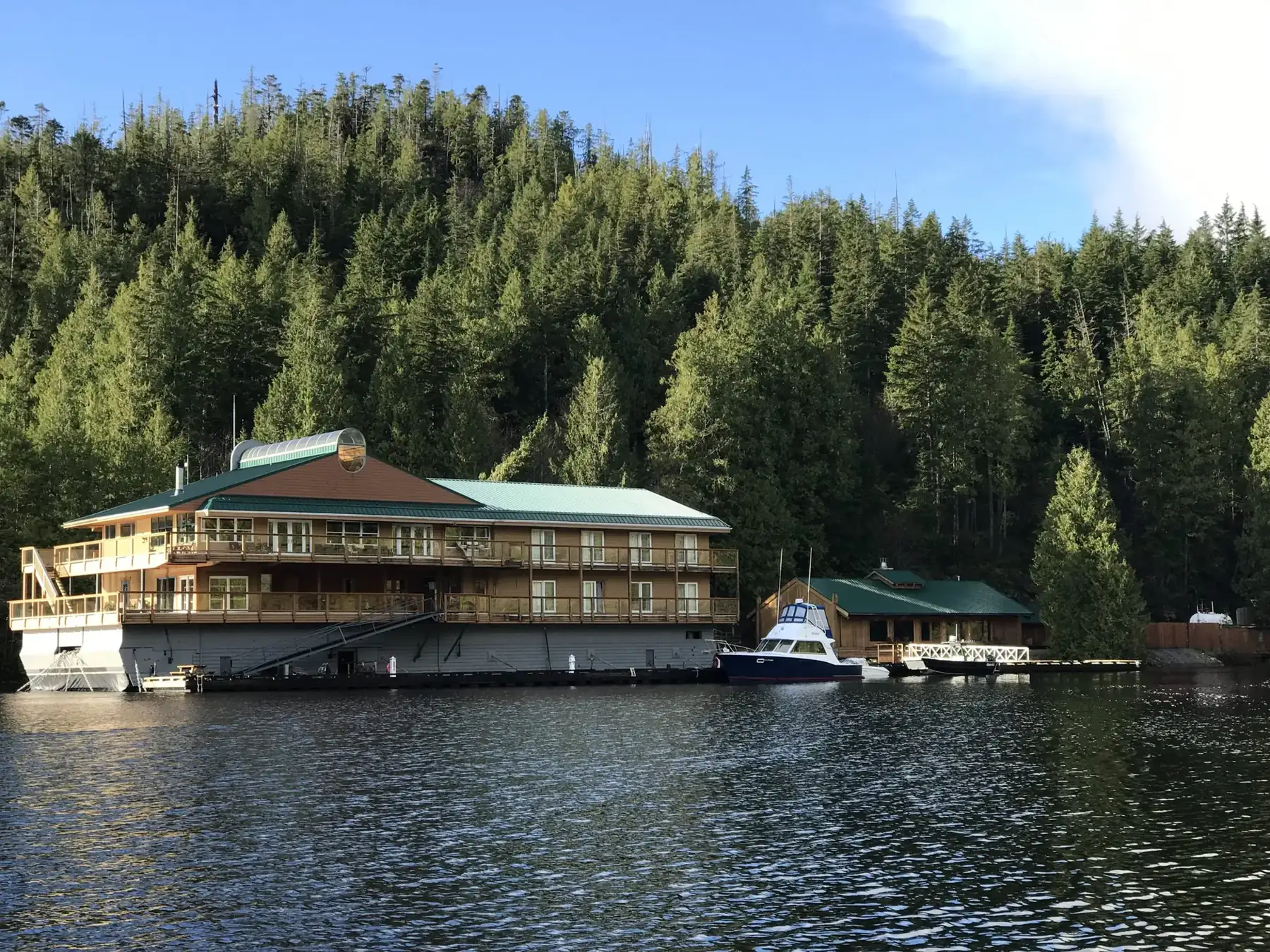
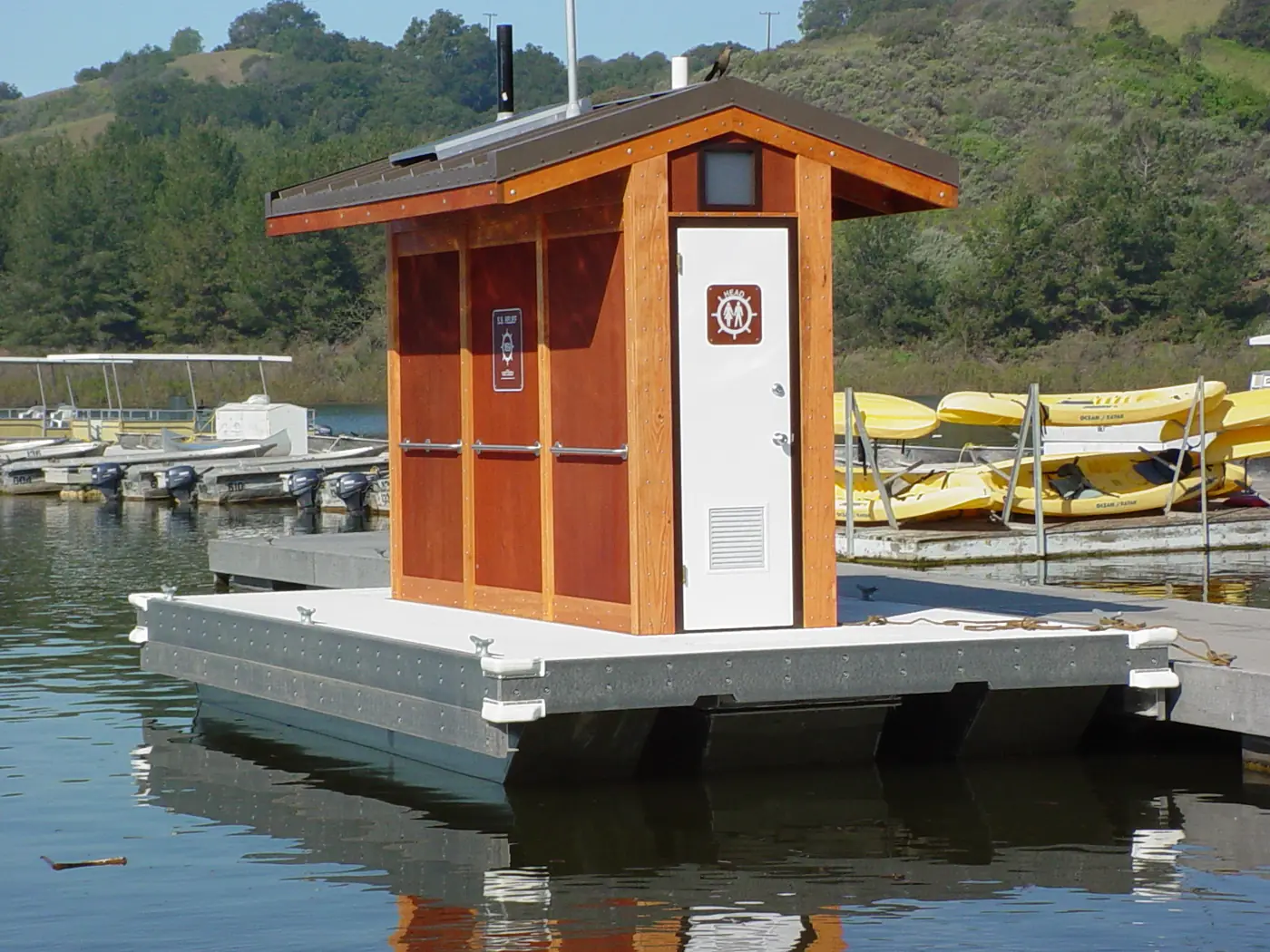 FLOAT HOMES · BOAT SHEDS
On the water
Low-profile polyethylene systems for float homes, boathouses, lodges and floating camps.
Float home systems →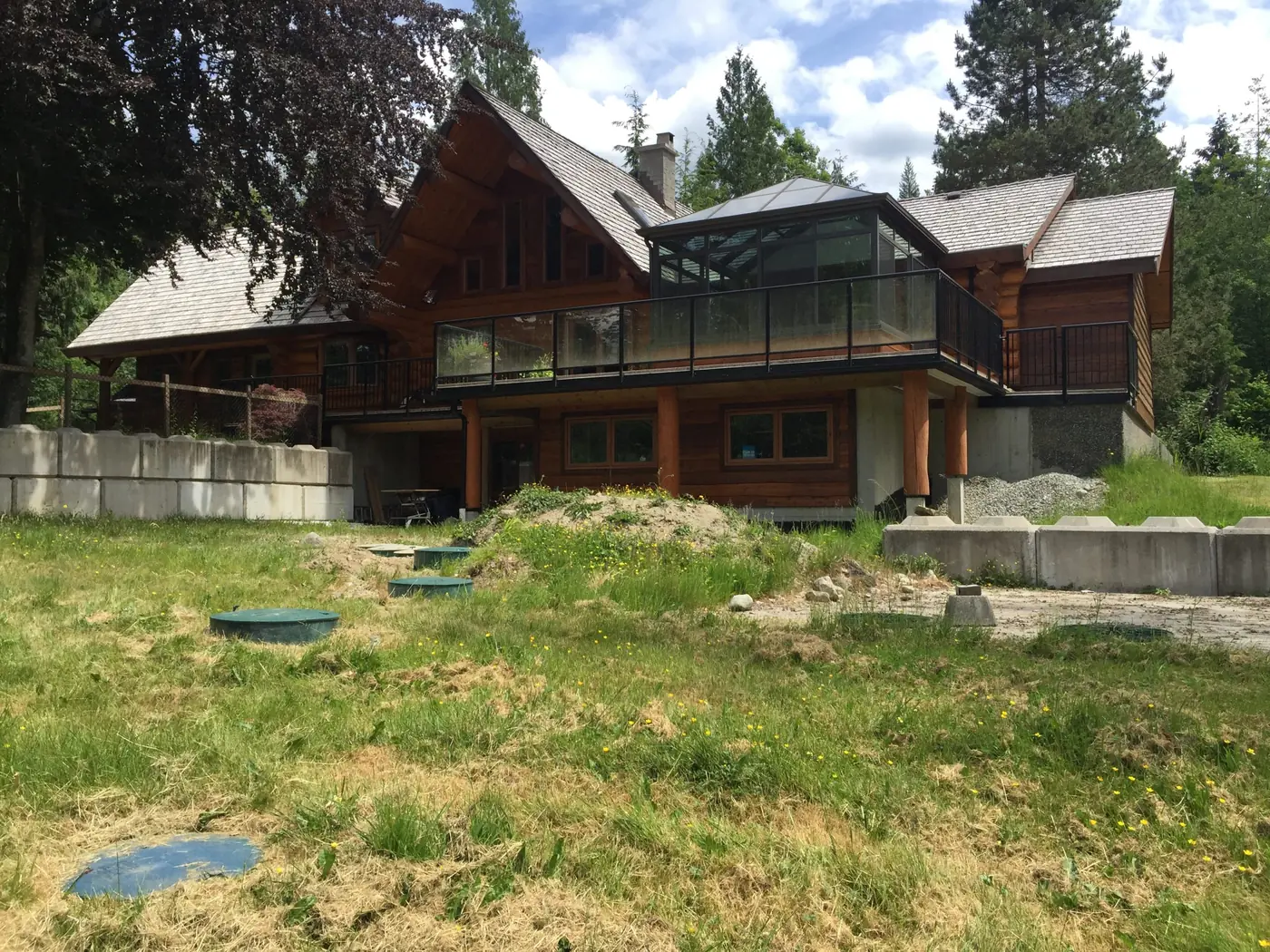 RESIDENTIAL
Homes & cabins
Concrete or polyethylene systems for 1 to 12 people, even on clay, slopes or tight lots.
Home systems →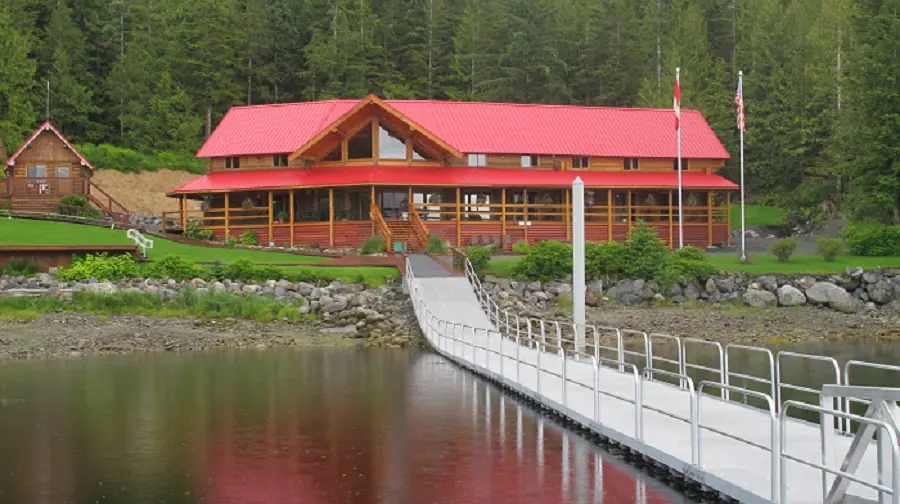 COMMERCIAL
Resorts & buildings
Communal systems for resorts, strata cabins, offices and subdivisions.
Commercial systems →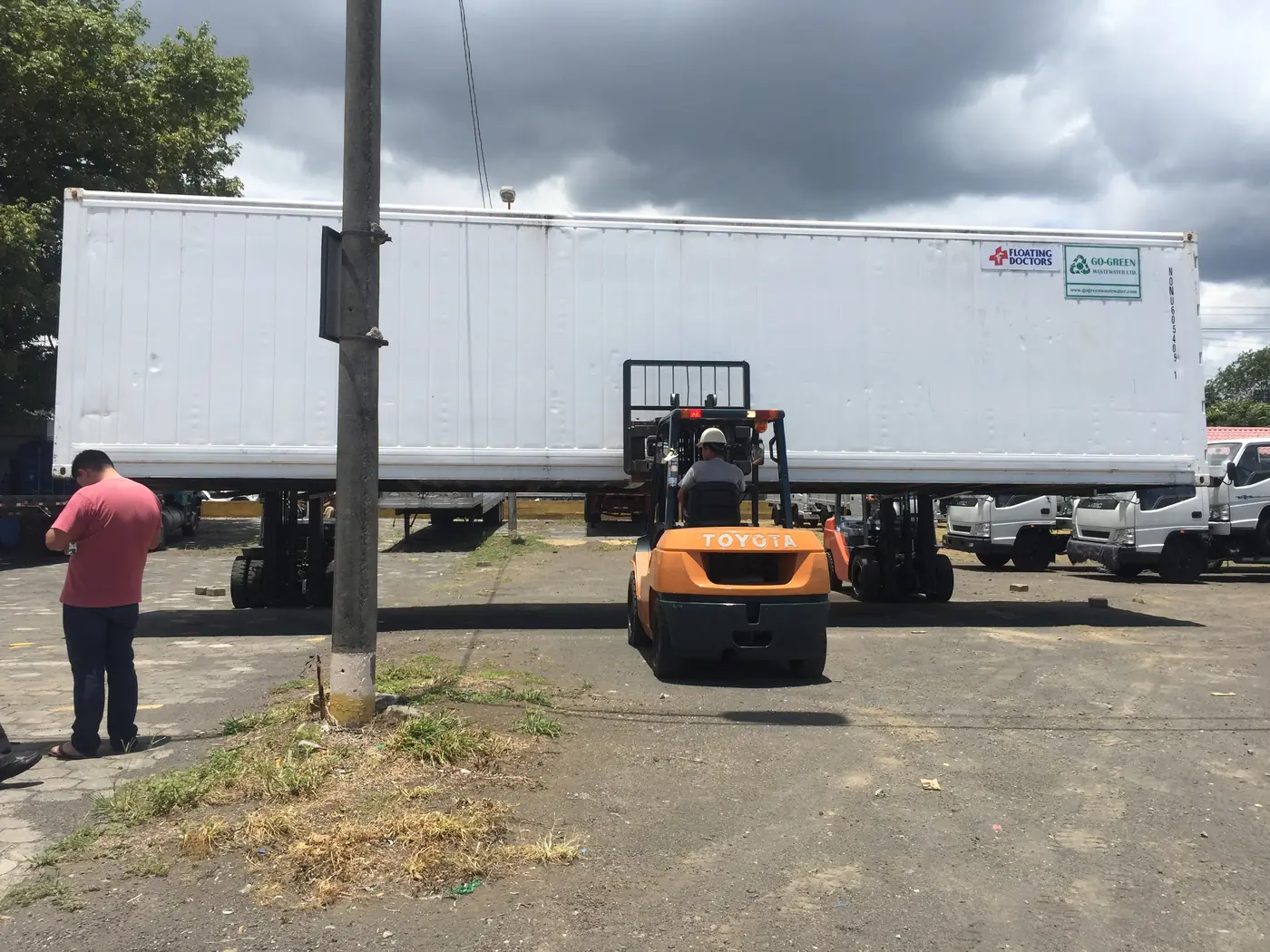 INDUSTRIAL · REMOTE
Camps & containers
Containerized plants for work camps, fisheries camps and clinics, up to 150 people.
Industrial systems →See how each Type cleans the water
BC sorts onsite systems into Type 1, 2 and 3. Pick one to watch the water go through it, and tap a step to follow along.
A septic tank settles the solids, then a large field lets the soil do most of the cleaning.
A septic tank, an aeration tank and a clarifier. The cleaner water flows by gravity to a smaller field.
The Go Green system: four treatment stages and the cleanest level in BC. Gravity moves the water through, and bacteria do the cleaning without chemicals.
Removes remaining suspended particles before the pump chamber, for the cleanest possible output.
A return line sends effluent back to the first chamber when denitrification is required.
The aerator needs very little power, so systems can run on a solar panel at remote or ocean sites.
How clean is clean enough?
BC's Sewerage System Regulation sorts onsite systems into three Types, by how clean the water is when it leaves the treatment tanks. The cleaner the water, the more places it can safely go.
Septic tank only
Solids settle out, and that's it. Needs a large dispersal field in good soil, well away from wells and water.
Watch Type 1 work →Better treatment
An aeration tank and a clarifier clean the water after the septic tank, so the field can be smaller. Go Green's land-based SC2 models are Type 2.
Watch Type 2 work →Best treatment
The cleanest level in BC. Works on small, rocky or clay lots and close to lakes, wells and the ocean, where a Type 1 system often isn't allowed.
Watch Type 3 work →Limits from BC's Sewerage System Regulation (B.C. Reg. 326/2004). Type 3 systems are designed and maintained under a professional engineer. In Go Green model names, SC2 means Type 2 and SC3 means Type 3. Floating SC2F models discharge to water under a different standard: 45 mg/L or less for BOD and TSS, and effluent that isn't toxic to fish.
Built to be forgotten about
The best wastewater system is the one you never hear, never smell and rarely need to pump.
Exceptionally clean output
Lab-tested under 10 mg/L for BOD5 and TSS, the Type 3 level. Clear and nearly odourless.
Silent and odour-free
The aerator and pump sit inside sealed tanks, below ground or below the waterline.
Years between pumping
Large tanks handle changing loads. The two original 1998–99 test sites needed no pumping during the 17-month independent review.
Small dispersal field
Cleaner effluent needs up to 66% less dispersal field than a septic tank, even on clay, slopes or narrow lots near wells and water.
Any size, solar ready
From a one-bedroom cabin to a subdivision or a 150-person camp. The aerator needs so little power it can run on solar.
5-year warranty
Tanks and media are covered for five years. The loose media doesn't clog, and can be taken out and put back without breaking.
Which system fits your site?
Pick where it's going and how many people it serves on a typical day. We'll show the systems that usually fit, then design the final one for your site.
A guide only. Final sizing depends on your site and soil, and is done by an Authorized Person.
Not sure? Call 604-657-2724 for a free consultation.
Hard sites, clean results
Barge-only lots, clay soil, float home communities and lakeside cottages. A few of the sites solved across BC.
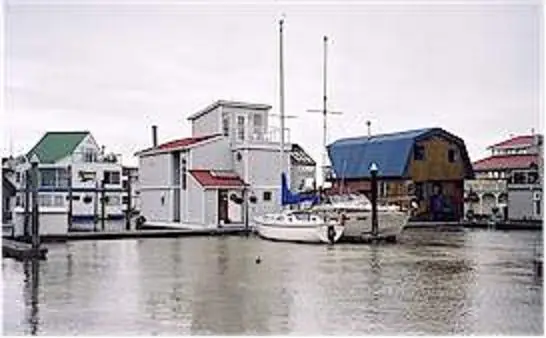
A float home community on the Fraser
An old communal system with constant odour complaints, upgraded to handle 7,500 gallons a day.
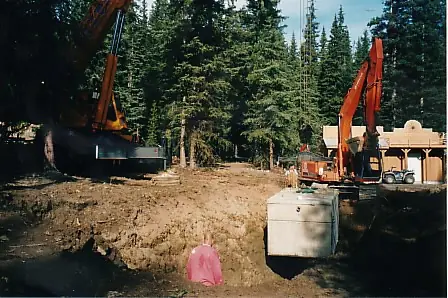
30 cabins, one communal system
Neighbours were worried about their wells. Three monitoring wells and twice-yearly testing since 2002.
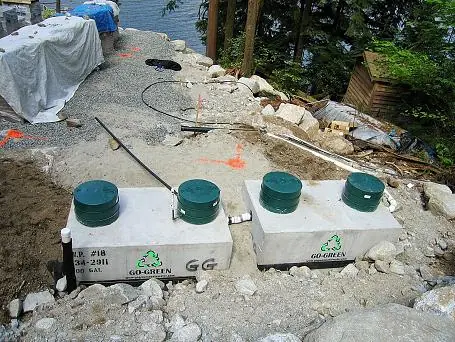
A cabin you can only reach by barge
Tanks, sand and an excavator were barged in and hauled 120 feet up a steep slope.
From marinas, camps and harbours
Excerpts from reference letters written to Go Green.
“Go-Green has helped us solve this problem installing their system into 5 homes that we built here at Mosquito Creek Marina over 5 years ago. Since then, we have not had one problem reported.”
“We are completely satisfied with performance of the system and were impressed with the professionalism and the commitment to the projects with which Erling and the staff at GoGreen worked.”
“The equipment was delivered on schedule, was installed and is functioning as advertised.”
“The Go-Green organization supplied a well thought out and quality product and has provided great service.”
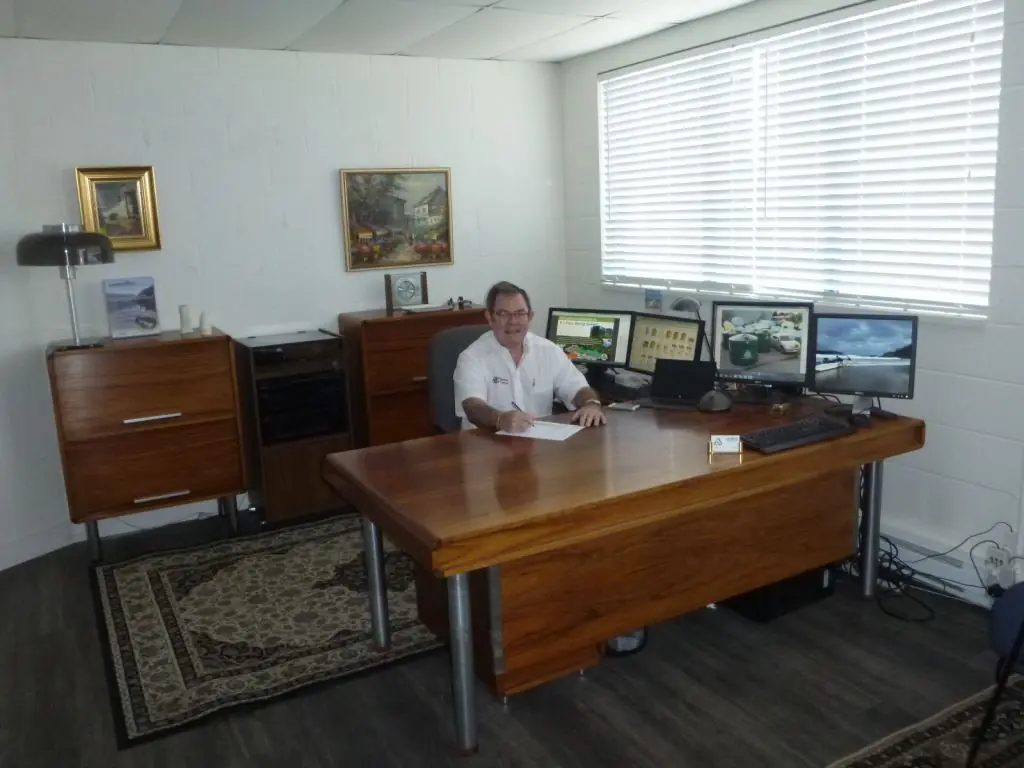
A better tank, invented here
Go Green was founded in 1996 by Erling Kjerside. He saw that treatment tanks with fixed media clogged as bacteria grew, and were hard to service. So he developed and patented a floating media that works like fixed media but can simply be vacuumed out and replaced.
The first systems with the new media went in at the end of 1998 with Ministry of Health approval, followed by an independent engineering review. Thirty years later, Erling still runs Go Green from its office in Coquitlam.
Learn how it works
Plain-language guides to septic and treatment systems in BC.
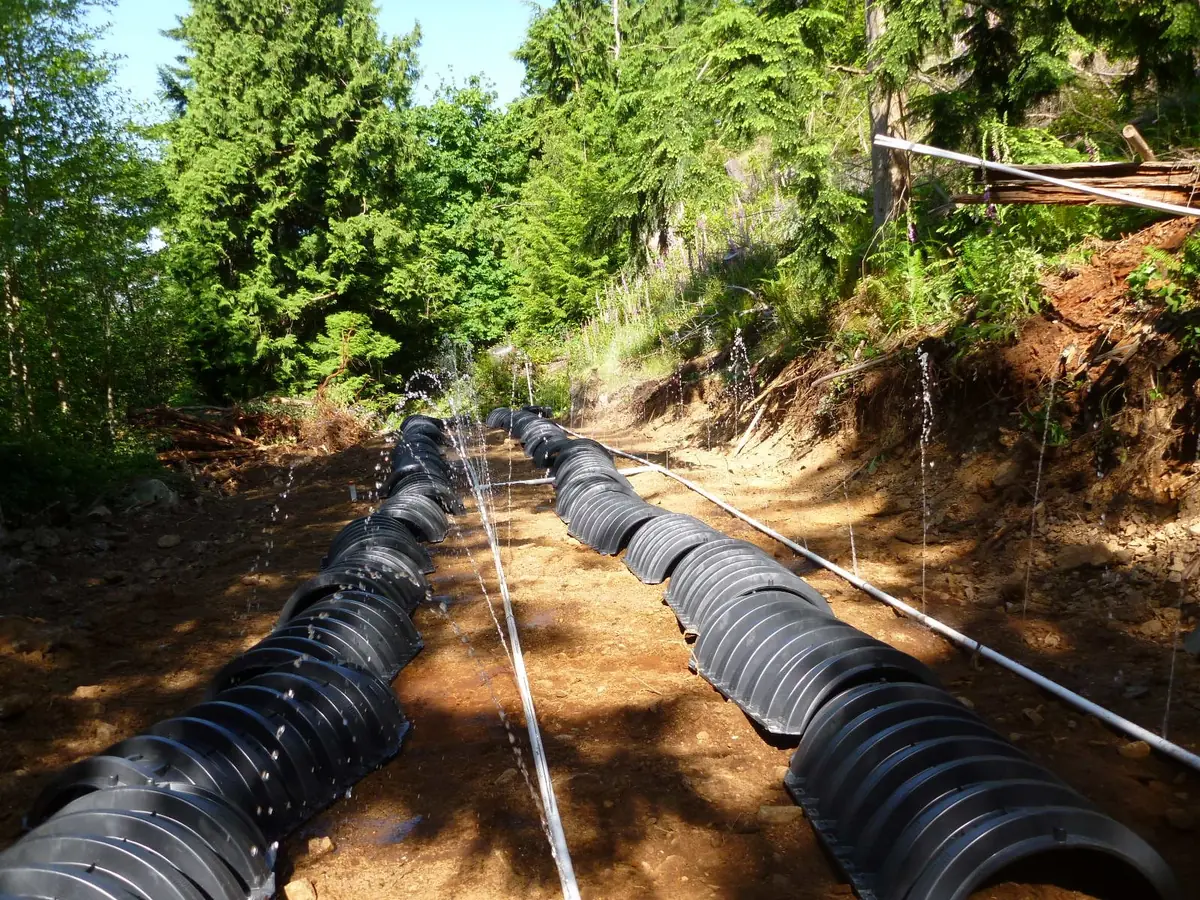
BC sorts onsite systems into three Types by how clean the water is when it leaves the tanks. Here's what each one does, and why it decides the size of your field.
Read more →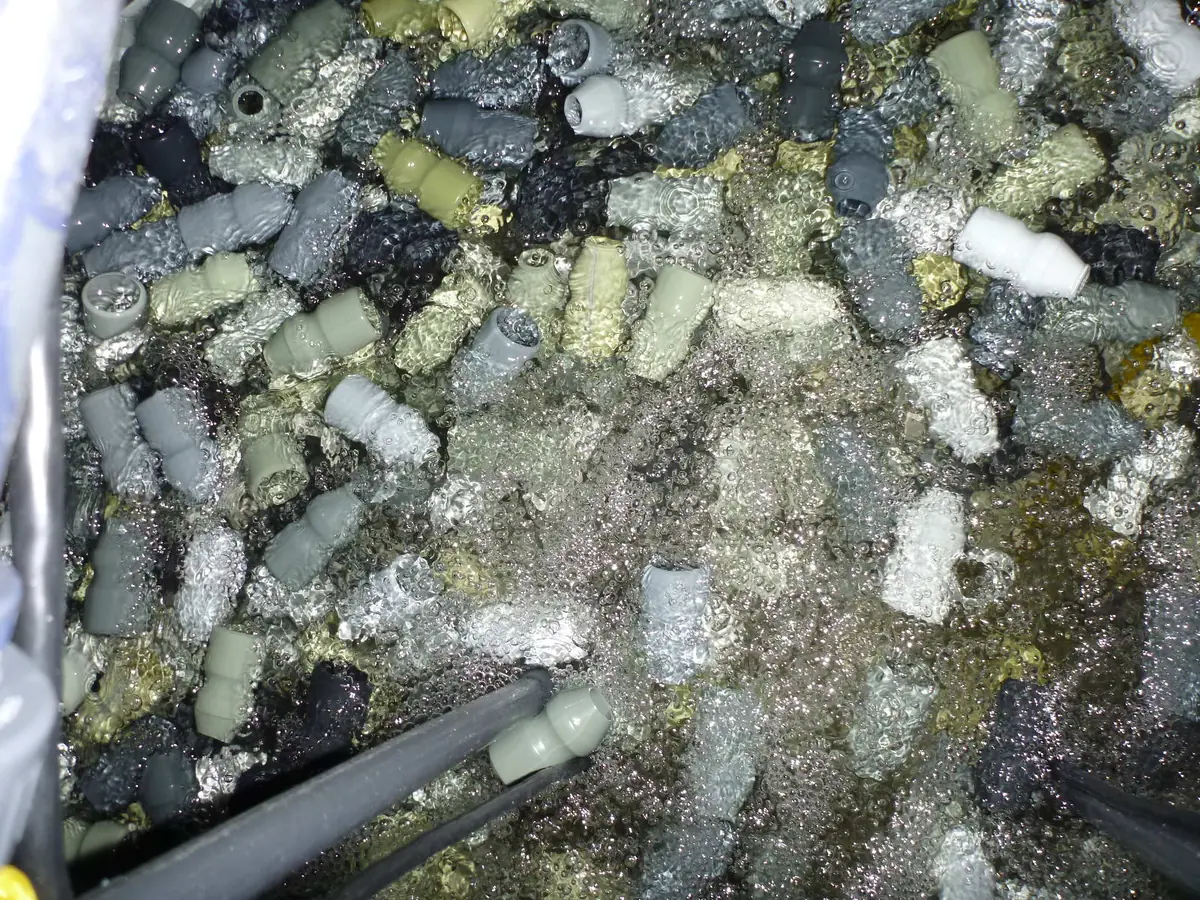
Bacteria do the cleaning and gravity moves the water. Here's what happens in each chamber, and why the media inside doesn't clog.
Read more →Tell us about your site
Failed septic system, new build, float home or remote camp: call or send the details, and Erling will tell you what's possible.